A Sugargoo QC checklist is most useful at the moment between a warehouse arrival and your decision to ship. A product listing tells you what a seller intended to offer; warehouse photos show what actually arrived. Those are different kinds of evidence. Before approving an international parcel, compare the received item with your saved order details, resolve visible problems, and record anything you still cannot verify. This guide gives you a repeatable review process for shoes, outerwear, and bags, then connects that review to sizing, parcel weight, and shipping-route choices. It is a decision aid, not a promise that photos reveal every defect or that a particular route will accept every item.
Start with the order record, not the prettiest photo
Open the original product page and your order record side by side with the warehouse images. Write down the selected model, color, size, quantity, and any variation or seller note. Check that the photos show the same type of item and the number of pieces you ordered. A cropped image may hide a second item or make an accessory look included when it is not. If the listing uses several colorways, compare distinctive details such as panel layout, hardware color, pocket placement, and label position rather than trusting the product title alone.
Use a consistent photo sequence: overall front, overall back, both sides, close-ups of important details, and any visible packaging. For shoes, inspect the toe shape, heel alignment, outsole, lace area, and the pair together. For jackets, look at seams, zipper or button alignment, cuffs, lining where visible, and the stated material description. For bags, examine handles, straps, closures, stitching around corners, and the interior if a photo is available. These are visual checks only. Lighting, camera angle, and compression can change how color and texture appear, so ask for a clearer image when a detail matters to your decision.
Keep your comparison specific. “Looks wrong” is hard to act on; “the order says navy, but the warehouse photo appears black” gives the agent something to check. Save the listing image or a brief note before it changes. If an item has a missing accessory, an unclear size tag, a visible stain, or damage to a functional part, pause approval and ask what evidence or remedy is available. Do not assume that a later parcel photo will answer a product-level question.
Verify size with measurements and intended fit
A printed size label confirms the label, not the fit. Size names vary across listings, and two items with the same letter size may have different cuts. Compare a garment's measured chest, shoulder, sleeve, and length with a similar item you own and like wearing. For a jacket, leave room for the layer you expect underneath. If the available warehouse images show only a tag, request a measurement photo for the dimension most likely to decide the purchase. Account for where the tape begins and ends; a measurement across a flat garment is not the same as a body circumference.
For footwear, start with the listing's size chart and any insole-length information. Compare that figure with a well-fitting pair measured using the same method, while allowing for socks and the shape of the toe box. A shoe can match a stated length but still feel narrow or loose. Warehouse photos cannot establish comfort, so treat sizing as a risk to manage rather than a fact you can completely prove from an image. If the listing provides no useful measurements, note that uncertainty before you decide whether to keep the item.
Bags need a different size check. Exterior dimensions tell you whether the bag suits an outfit; opening width and interior depth tell you whether your intended contents may fit. Compare the item against a familiar object only if the image scale is clear, and prefer written dimensions or a ruler photo. A strap may look adjustable without having enough holes or usable range for your preferred carry style. When an item's fit or function is important, ask the narrowest possible question before the return window or seller resolution options change.
Estimate parcel weight without treating it as a quote
The warehouse weight shown for one item is a starting point, not necessarily the final chargeable parcel weight. Add the recorded weights of the items you plan to combine, then allow for the carton, protective materials, and any packaging you elect to keep. Shoes with boxes, padded outerwear, and structured bags can consume space out of proportion to their scale in a photograph. Some shipping methods compare actual weight with dimensional weight, so a bulky package can be billed differently from a compact one of similar mass.
Make two rough scenarios before submitting a parcel: one with original boxes or protective packaging, and one with only the packaging you are comfortable removing. Do not remove a box automatically if it protects a structured item or if you care about its condition on arrival. Ask for a rehearsal or parcel estimate if the service provides one, and check whether the result is based on packed dimensions or only item weights. A small change in dimensions can affect an estimate near a route threshold, so do not quote a precise shipping cost in your own planning notes until the packed parcel is measured.
Record which items are going together. Splitting a fragile item from dense shoes may make packing easier, while combining compatible items may reduce duplicated outer packaging. Neither choice is universally cheaper or safer. Your decision depends on current route rules, packing options, destination, and the amount of protection each item needs. Treat an estimate as a comparison tool and review the final parcel details before paying.
Choose a shipping route after checking restrictions
Do not select a route only because its headline estimate looks attractive. Confirm that it serves your destination and accepts the product types in your parcel. Restrictions can depend on materials, batteries, liquids, branded goods, parcel dimensions, declared information, or local import requirements. A route available for one basket may disappear when the contents or destination change. Use the current route information shown at checkout and ask the agent about any ambiguous classification rather than assuming an older guide still applies.
Compare routes using the same packed parcel assumptions. Note the chargeable-weight rule, size limits, tracking scope, compensation terms, and any packaging or documentation requirements. Published transit ranges, when shown, are estimates rather than guarantees; customs review and carrier handoffs can change the outcome. The lowest displayed figure can also be a poor fit if you need better handling for a structured bag or clear tracking for an expensive order. Likewise, a higher estimate does not by itself prove better protection. Decide what uncertainty you can accept, then keep a screenshot or written summary of the route conditions you relied on.
Declare contents accurately and follow applicable import rules. If you are uncertain about a product category, ask before submitting the parcel. Do not describe an item differently just to make a route available. A practical shipping note should identify the real contents, destination, requested packing, and any fragile areas, not make claims about customs outcomes.
Use a final approval note that another person can follow
Before clicking approve, create a short record with five lines: item and selected variant; evidence reviewed; measurements or unresolved sizing question; estimated versus measured weight; and proposed route plus any restriction to verify. For example, a note about sneakers might say that the pair and size tag match the order, the heel photo needs a clearer angle, the insole measurement is still pending, and the shoe box should be retained until packing is confirmed. That note is more useful than a vague “QC passed” label because it separates confirmed facts from open questions.
Revisit the record when the parcel is assembled. Check the item count, packed weight, dimensions, protective materials, destination address, and selected route against the plan. If you changed a product or removed packaging, update the note. If a requested photo has not arrived, decide explicitly whether you are willing to ship with that uncertainty. A good Sugargoo QC checklist does not eliminate every risk; it makes the remaining risk visible while you still have a chance to ask, revise, or wait.
Current product references to compare
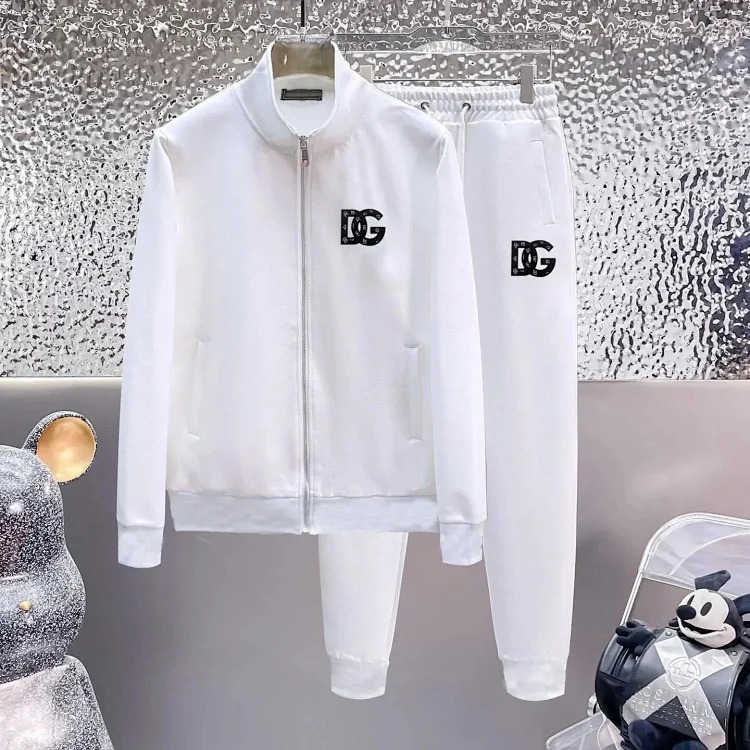
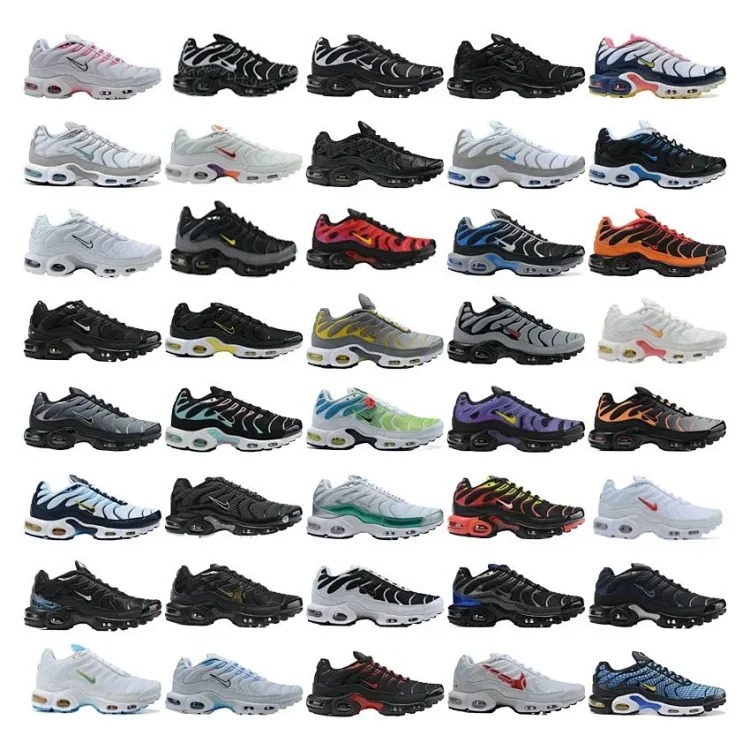
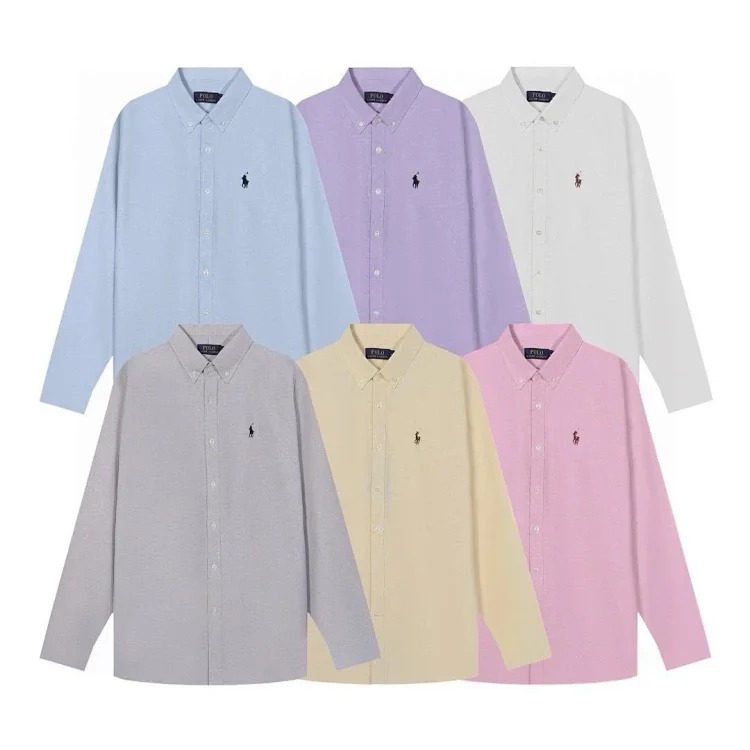
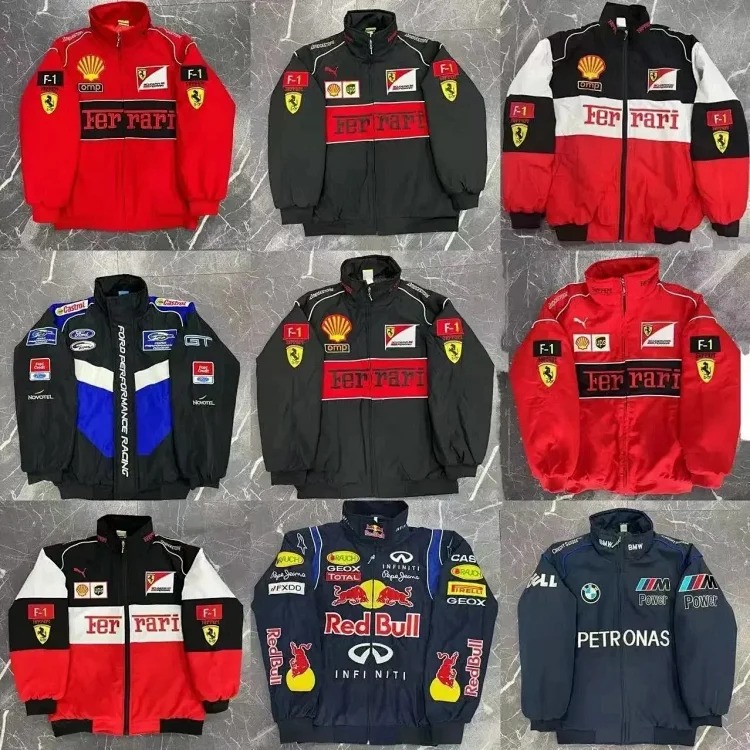
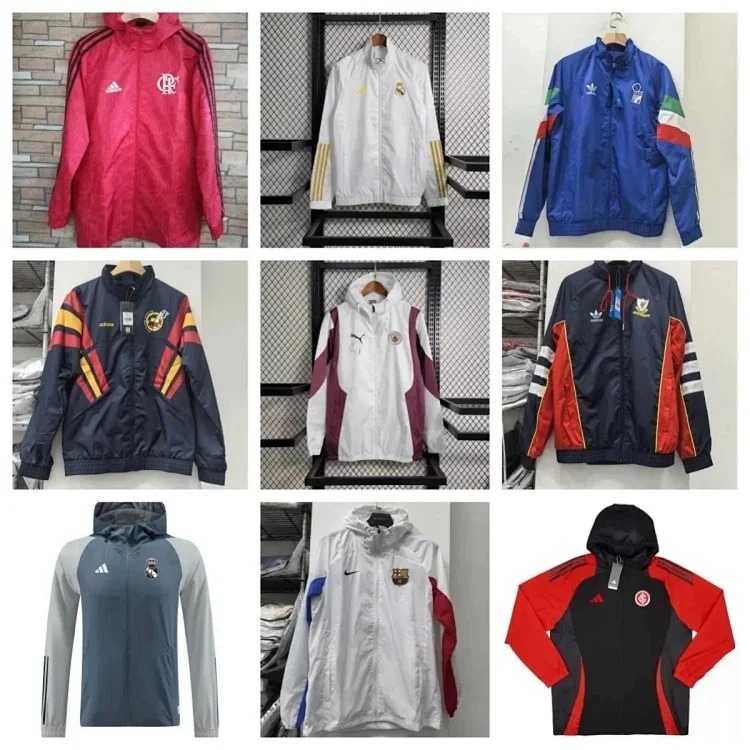
These live OutfitReps references are starting points for research. Recheck availability, variants, images, and measurements before ordering.



Final check: Do not approve a parcel until the item, variant, quantity, warehouse photos, measured weight, and route restrictions match your plan.